Group I serves as an excellent illustration of how the term “complete address” can vary by country. A missing floor number, a jumbled postal code or an overlooked delivery detail—these minor discrepancies can transform a solid, reliable address into one unsuitable for mailing. Let’s take a spin through real-world examples from melissa.com and see how these formats line up:
🇫🇷 France Example:
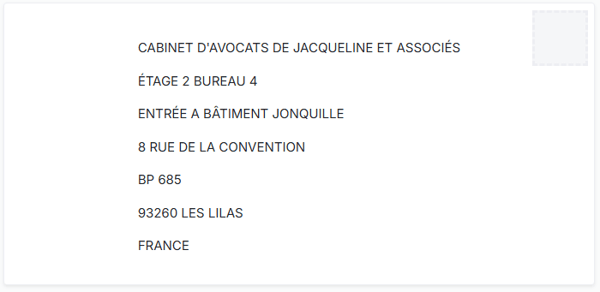
Why it’s different: France somehow makes a mailing label look chic and slightly intimidating at the same time. A standard address might include the floor, office, entrance, building name, street number and a five-digit postal code placed before the locality. The example shows just how much can fit in before you even reach the city line. Better yet, those first two postal-code digits point to the département, so the format is doing some heavy geographic lifting while looking effortlessly tidy.
🇸🇳 Senegal Example:
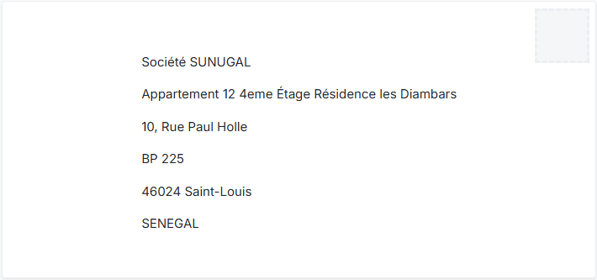
Why it’s different: Senegal’s format looks neat and compact, but it’s carrying a surprisingly heavy load. The example packs in an apartment number, floor, residence name, street line, BP reference and a 5-digit postal code before Saint-Louis even makes its entrance. In other words, this address is part location, part delivery playbook — if one piece goes missing, the whole thing starts losing the plot.
🇮🇶 Iraq Example:
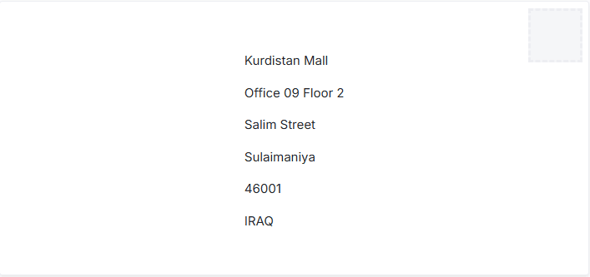
Why it’s different: Iraq’s format gets straight to the point, but it’s not exactly a minimalist. The example starts with the building name, then layers in office and floor details before arriving at the street, city and 5-digit postal code. Translation: the inside of the building matters just as much as the outside. When “Office 09, Floor 2” is helping the mail reach its recipients, vagueness is not an option.
🇳🇴 Norway Example:
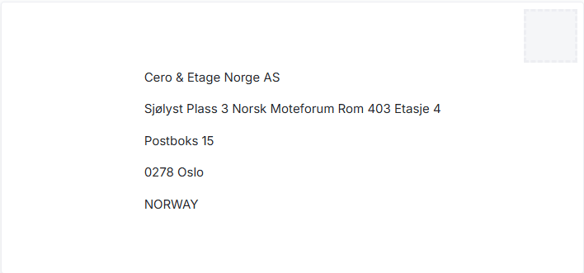
Why it’s different: Norway gives off that sleek, Scandinavian simplicity, but don’t let the clean lines fool you. The example brings together street, building, room, floor and Postboks details before landing on a 4-digit postal code and locality. It looks beautifully streamlined, but it still has strong preferences about order. Think less “casual minimalism,” and more “everything in its place, or else.”
Group I wraps up with a clear lesson: address quality is all about local expectations. A record can look clean at first glance, but if a country-specific detail is missing, it may not go the distance. In other words, in global addressing, the fine print often decides the final score.
That’s exactly why Melissa.com's address verification is the ultimate team player — validating formats, fixing errors and ensuring global deliveries hit the back of the net every time. Perfect for e-commerce, logistics, fan engagement campaigns or sending World Cup swag across borders! ⚽📦
Which Group I address quirk surprises you most? Visit melissa.com/global-address-formatting-examples to see them all.