As the Netherlands, Japan, Sweden and Tunisia face off in Group F, their address formats are putting on a tournament of their own. One keeps things neat, compact and code-heavy. Another effortlessly switches between Kanji and Romaji. Sweden makes minimalist Nordic structure look easy, while Tunisia builds an address line by line with the depth of a stacked squad. Here’s a fun, real-world breakdown of how these four countries handle addresses, straight from the examples on melissa.com:
🇳🇱Netherlands Example:
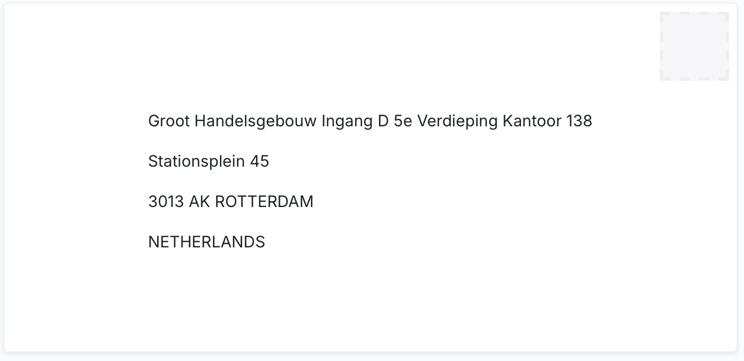
Why it’s different: The Netherlands looks wonderfully tidy on the outside, but Dutch addresses can pack in a surprising amount of detail. Building names, entrances, floors and office or unit numbers can all show up before you even get to the street line and the postal code itself is a precision instrument: four digits, two letters and a space before the locality. In other words, Dutch formatting is compact, exact and not especially forgiving if one character goes missing.
🇯🇵Japan Example:
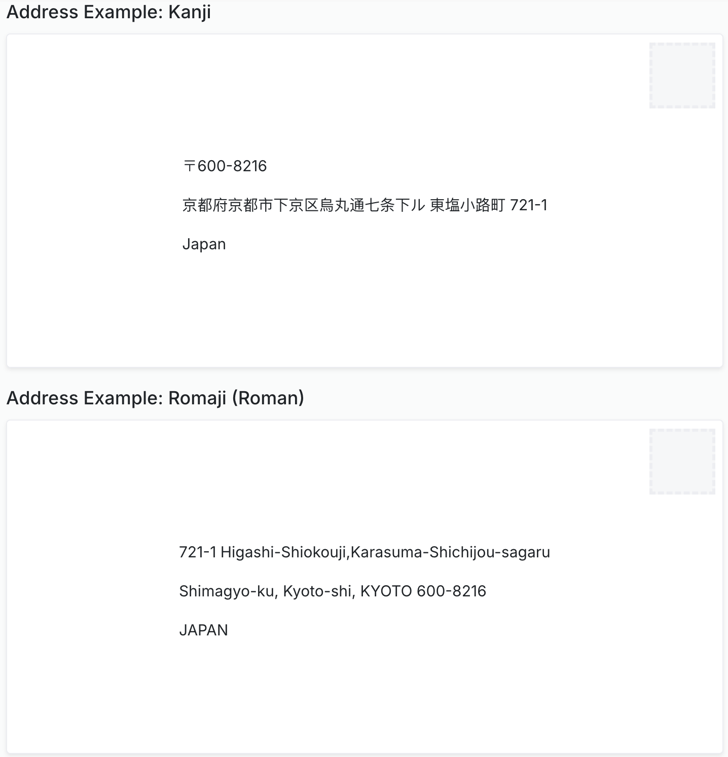
Why it’s different: Japan is basically playing two address games at once, and both matter. In Kanji, the format runs from the biggest geography down to the smallest, starting with the postal code and prefecture before narrowing into city, neighborhood, block and building number. In Romaji, the address flips to a more Western-looking layout, but still keeps Japan’s distinctive locality and block logic underneath. Add in the 7-digit postal code, the use of building and block numbering instead of a simple street-first model and you have a format that rewards precision at every line.
🇸🇪Sweden Example:
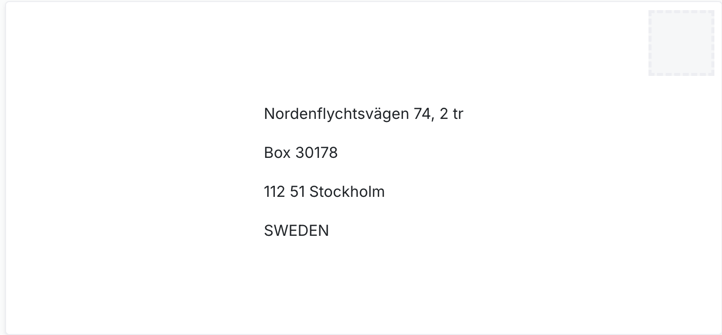
Why it’s different: Sweden keeps things crisp, but there is still more going on than a quick glance suggests. The standard format uses street name first, then building number, followed by a 5-digit postal code with a space before the locality — but the example also shows how floor or stair details can quietly do extra work in the delivery line. Toss in Swedish characters like å, ä and ö, plus PO Box variations like Postlåda and suddenly that clean Nordic format has a few more moving parts than expected.
🇹🇳Tunisia Example:
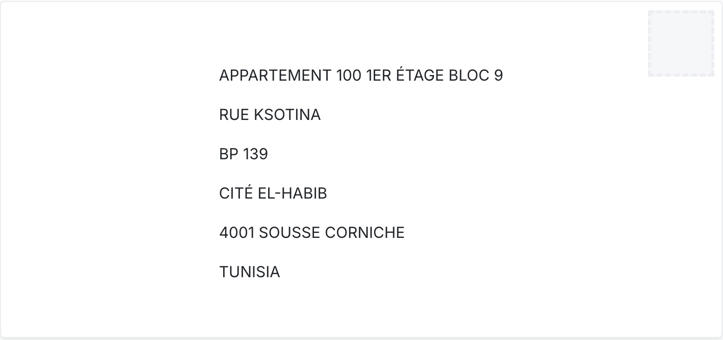
Why it’s different: Tunisia’s format is a layered mix of apartment, floor, block, street, PO Box, neighborhood and postal code. The example does not waste a single line. One address can include an apartment number, floor, block, street name, BP reference, dependent locality and a 4-digit postal code before the city area. That means Tunisia is not just about where the building is located — it is about exactly where inside the building, inside the neighborhood, the mail needs to land.
From Dutch postal-code precision and Japan’s dual-format juggling act to Sweden’s crisp street-and-city structure and Tunisia’s detail-packed address lines, Group F proves that global addresses have plenty of flair of their own. One missing block, mistyped postal code or dropped unit detail and your package could be watching the match from the sidelines.
That’s exactly why Melissa.com’s address verification is the ultimate team player — validating formats, fixing errors and ensuring global deliveries hit the back of the net every time. Perfect for e-commerce, logistics, fan engagement campaigns or sending World Cup swag across borders! ⚽📦
Which Group F address quirk surprises you most? Visit melissa.com/global-address-formatting-examples to see them all.