Off the field, Brazil, Morocco, Haiti and Scotland offer another worthwhile matchup: address formats. Each country follows its own postal standards, locality structure and formatting conventions, shaped over time by geography, language and infrastructure. With Melissa.com’s address verification, businesses can navigate these differences with ease, enhancing global shipping, marketing and data quality efforts. Here’s a fun look at real-world examples from melissa.com:
🇧🇷Brazil Example:
Excluding Brasilia
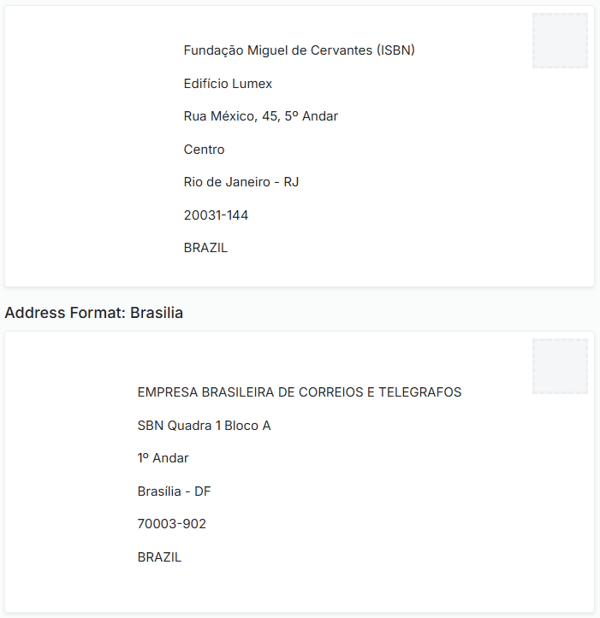
Why it’s different: Brazil’s address system is impressively structured, but it’s not exactly one-size-fits-all. Most addresses follow a layered format with street name, number, unit or floor, locality, state, and an 8-digit CEP keeping everything on track. Then Brasília does its own thing, using a sector/quadra/block system instead of the more familiar street-based setup.
🇲🇦Morocco Example:

Why it’s different: At first glance, an address in Morocco might seem straightforward, but look a little closer and there’s a lot going on. You’ll often see a mix of building or unit details, premises numbers, street information, dependent localities and a 5-digit postal code linked to the locality itself. Add Morocco’s everyday blend of Arabic, Amazigh and French in public and business life and suddenly one address can reflect several administrative and language conventions at once. That’s exactly why standardized address verification matters so much here: it helps keep deliveries accurate and data clean.
🇭🇹Haiti Example:
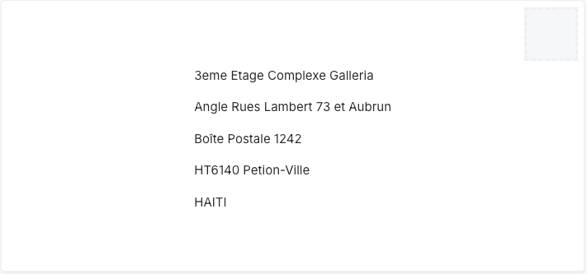
Why it’s different: Haiti’s address format packs in more detail than you might expect, combining building or floor information, street references, house numbers, PO Boxes and a postal code with an HT prefix before the locality. Even the street line in the example is doing extra work, using an angle/intersection-style reference instead of a simple one-street format. The result? Tiny formatting errors can snowball into much bigger delivery issues and messy data problems.
🏴Scotland Example:
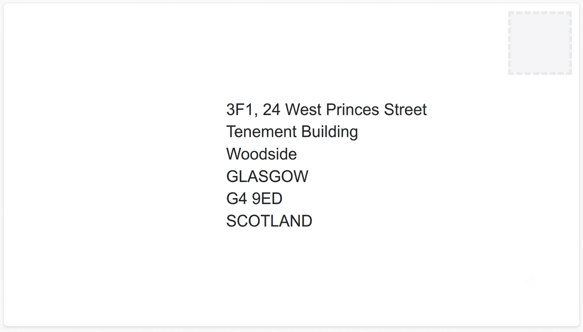
Why it’s different: Scotland uses the UK’s famously structured postal system, where every part of the address plays a role: sub-building, building name, premises number, dependent thoroughfare, locality and, of course, the alphanumeric postcode. It can look clean and uncomplicated at first glance, but every detail helps narrow the destination before the postcode brings it home. That’s why consistent formatting is such a big deal for deliverability, e-commerce success and tidy, standardized records.
From Brazil’s layered CEPs and Brasília blocks to Morocco’s multilingual structure, Haiti’s detailed locality lines and Scotland’s postcode precision, Group C proves there is no single playbook for global addresses. Miss one key detail and your shipment, signup or marketing message could be headed for the wrong goal.
That’s exactly why Melissa.com’s address verification is the ultimate team player — validating formats, fixing errors and ensuring global deliveries hit the back of the net every time. Perfect for e-commerce, logistics, fan engagement campaigns or sending World Cup swag across borders! ⚽📦
Which Group C address quirk surprises you most? Visit melissa.com/global-address-formatting-examples to see them all.