Group H is serving up an address-format masterclass. Spain, Cabo Verde, Saudi Arabia and Uruguay mailing styles are equally distinctive. From province-coded postal systems to island-based addressing, district layers, and gloriously detailed street lines, each country brings its own flair. Here’s an interesting, quick breakdown from real-world examples on melissa.com:
🇪🇸Spain Example:
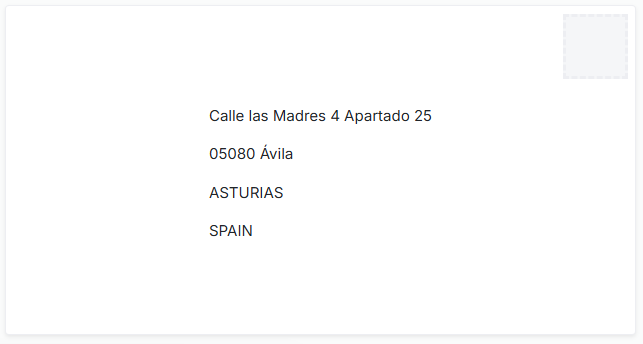
Why it’s different: Spain loves structure and layers. A typical address can include a building, street, premises number, sub-building or floor detail, PO Box information and then a 5-digit postal code placed before the locality, followed by the administrative area. The first two digits of the postal code identify the province, which means the format does some heavy geographic lifting before the mail even reaches the street! Add in co-official languages like Catalan, Basque and Galician, and it’s clear that Spanish addresses can appear really intimidating at first glance.
🇨🇻Cabo Verde (Cape Verde) Example:
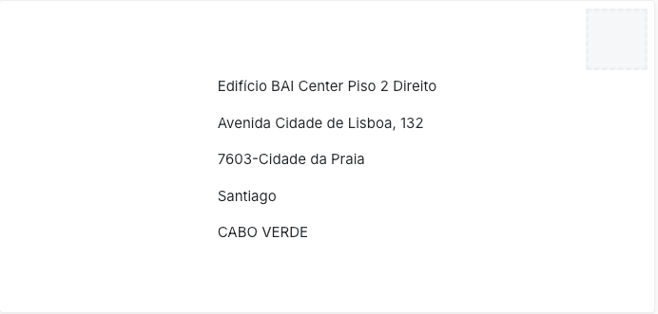
Why it’s different: Cabo Verde packs a surprising amount of detail into a relatively compact address. The format can include the building name, floor and side designation, street and premises number, and then a postal code tied directly to the locality, before the island-level subnational area appears. For an island nation, that extra layer of specificity does a lot of important work.
🇸🇦Saudi Arabia Example:
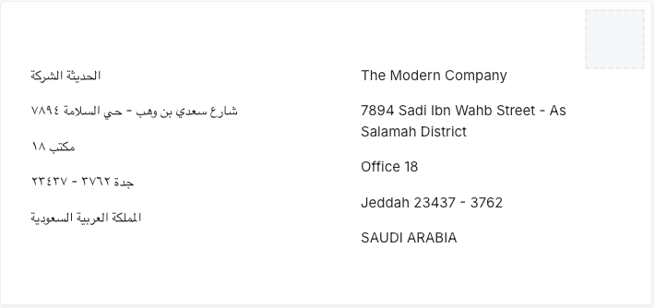
Why it’s different: Saudi Arabia’s address format has a sleek, engineered feel because it’s designed that way. A single address can include building and sub-building details, a premises number, street, dependent locality, office or unit number and then a 5-digit postal code, plus an additional number that narrows the delivery point even further. The Jeddah example shows just how much routing logic is packed into those final lines. It makes Saudi addresses feel less like a standard mailing label and more like a set of delivery coordinates.
🇺🇾Uruguay Example:
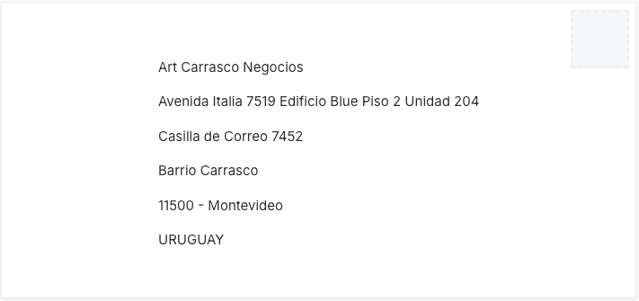
Why it’s different: Uruguay is a great reminder that one address line can do a lot of work. A typical example can combine avenue, building name, floor, unit, PO Box, neighborhood, and then a postal code, locality and administrative area line that ties everything together. Here, it’s all about reaching the right building, in the right barrio, with the right mailbox backup. Compact? Yes. Casual? Not even close.
Between Spain’s province-coded system, Cabo Verde’s island-specific structure, Saudi Arabia’s number-heavy precision and Uruguay’s block-by-block layering, Group H is a reminder that addresses are part logistics, part local language. Omit a floor, flip a code, or lose a locality, and “looks correct” can become “where did the package go?”
That’s exactly why Melissa.com's address verification is the ultimate team player — validating formats, fixing errors and ensuring global deliveries hit the back of the net every time. Perfect for e-commerce, logistics, fan engagement campaigns or sending World Cup swag across borders! ⚽📦
Which Group H address quirk surprises you most? Visit melissa.com/global-address-formatting-examples to see them all.