If Group D proves anything, it’s that great teams are not the only ones with wildly different playbooks. From the United States to Paraguay, Australia to Türkiye, each country has its own way of moving the mail, with address formats that reflect local habits, rules and a little national personality. The good news? Melissa.com’s address verification helps make sense of the differences, so global shipping, marketing and data quality teams do not have to work overtime. Here’s a fun breakdown, based on real-world examples from melissa.com:
🇺🇸United States Example:
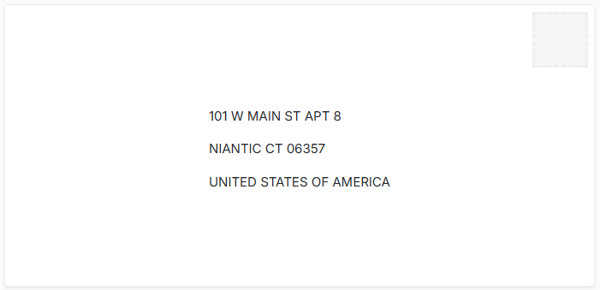
Why it’s different: The U.S. address may look familiar on paper, but its formatting is more exact than it gets credit for. A standardized U.S. address hinges on the street number, directional, street name, optional unit, then the city, state abbreviation and ZIP — with ZIP+4 adding even more delivery precision when available. Add in PO Boxes, PMBs, rural routes and general delivery, and the “familiar” U.S. format quickly turns into a system built for scale, automation and very specific routing.
🇵🇾Paraguay Example:
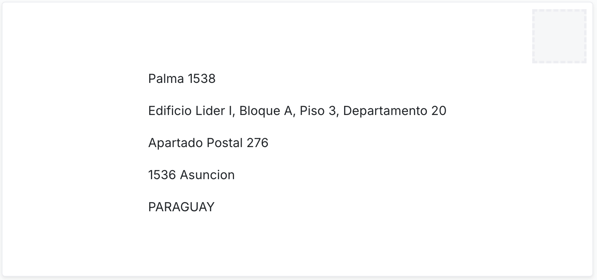
Why it’s different: Paraguay’s format layers more than just street and city. The example combines the street address with building name, block, floor, apartment, PO Box and postal code, which means the delivery line often has to do a lot of work before the address even gets to Asunción. That extra building-level detail reflects a format where structure inside the property matters almost as much as the street outside it — great for specificity, but not so great if your data is missing a floor or department number.
🇦🇺Australia Example:
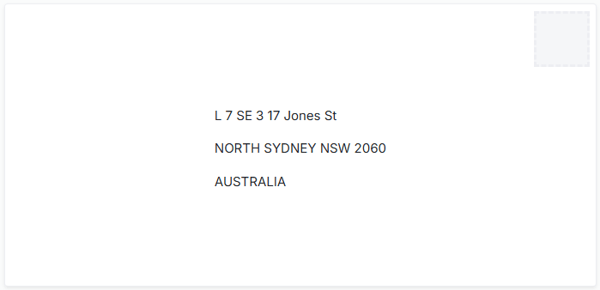
Why it’s different: Australia keeps things tidy, but not necessarily simple. The standard format starts with unit or level information before the street number and thoroughfare, followed by the suburb, abbreviated state or territory, and 4-digit postal code — the example shows just how compact that can get in practice. Add in GPO Boxes, Locked Bags, parcel delivery formats and a vast geography spread across dense coastal cities and remote regions, and precision becomes the real MVP.
🇹🇷Türkiye Example:
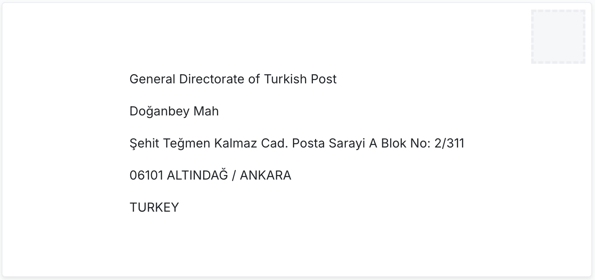
Why it’s different: Türkiye packs a lot of location intelligence into a single address. The format can include neighborhood (mahalle), street, building name, block, unit, then the 5-digit postal code followed by district, city and province — the example shows how those locality layers stack fast. With district and province information carrying real routing weight, plus Turkish characters like ç, ğ, ı, İ, ö, ş, ü, this is a format where one missing neighborhood or mistyped character can send a package in the wrong direction.
From ZIP+4 precision and apartment-packed building details to Australia’s neat state-and-postcode shorthand and Türkiye’s neighborhood-to-province layering, address formats are every bit as distinctive as the teams on the pitch. Miss a unit, fumble a postcode, or drop a locality, and your package might end up taking a very unexpected detour.
That’s exactly why Melissa.com's address verification is the ultimate team player — validating formats, fixing errors and ensuring global deliveries hit the back of the net every time. Perfect for e-commerce, logistics, fan engagement campaigns or sending World Cup swag across borders! ⚽📦
Which Group D address quirk surprises you most? Visit melissa.com/global-address-formatting-examples to see them all.