As Mexico, South Africa, South Korea and Czechia face off in Group A, it’s not just the soccer that’s intense — their address formats are in a league of their own too! Thanks to Melissa.com’s global address verification, you can handle every variation with ease — no matter the language, script or postal quirks shaped by history, culture and geography. Here’s a fun breakdown straight from real-world examples on melissa.com:
🇲🇽 Mexico Example:
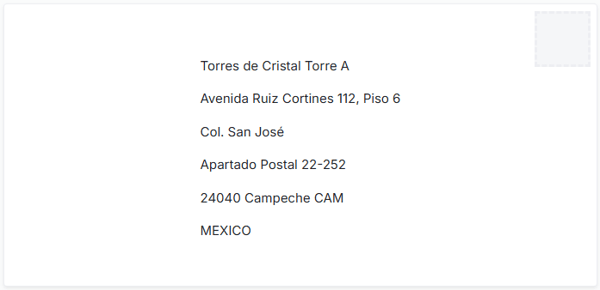
Why it's different: Streets often repeat across cities, so the “Col.” (colonia/neighborhood) is essential — a legacy of Spanish colonial urban planning where neighborhoods grew as self-contained units. Add floors, PO Boxes (Apartado Postal), 5-digit postal codes and state abbreviations. Geography plays a huge role: Mexico's vast, rapidly expanding cities need this layered system to keep deliveries on target.
🇿🇦 South Africa Example:
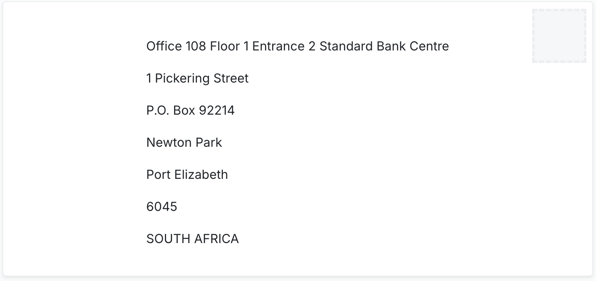
Why it's different: Super-detailed building info (floor, entrance) plus suburb (Newton Park) before the city and short 4-digit postal code. PO Boxes are common. This reflects a multicultural, post-apartheid blend of British/Dutch colonial roots, diverse languages (English dominant for mail) and spread-out urban/rural geography where suburbs and security-focused addressing help sort the mail efficiently.
🇰🇷 South Korea Example (English, Western):
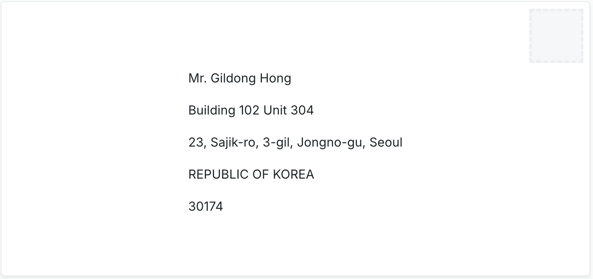
Why it's different: Dual formats! Korean goes large-to-small (country first in some styles); English follows Western order. “-gil” (side street), “dong/ho” (building/unit) shine in this high-rise, tech-packed nation. Big reason: Korea ditched the old confusing lot-based (jibeon) system in 2011–2013 for a modern road-name system—better for GPS, emergencies, delivery apps and international visitors in ultra-dense cities.
🇨🇿 Czech Republic (Czechia) Example:
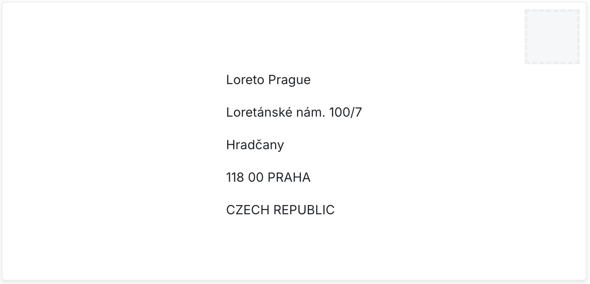
Why it's different: Dual house numbers like 100/7 (descriptive/conscription number first for official records, orientation number after the slash for street navigation). Diacritics (ě, á), named squares (“nám.”), 5-digit postal code with space and locality. Rooted in 1770s Habsburg Empire reforms for military/tax purposes—numbers assigned by build order, not location—still used alongside modern street numbers in historic European cities.
From colonial neighborhoods and multilingual suburbs to high-tech road reforms and centuries-old numbering systems, these formats prove addresses are as unique as the cultures and landscapes behind them. One wrong “Col.” or missing “/7” and your package (or marketing message) is lost in translation.
That’s exactly why Melissa.com's address verification is the ultimate team player — validating formats, fixing errors and ensuring global deliveries hit the back of the net every time. Perfect for e-commerce, logistics, fan engagement campaigns or sending World Cup swag across borders! ⚽📦
Which Group A address quirk surprises you most? Visit melissa.com/global-address-formatting-examples to see them all.